



One Tree Endless Flavors Camellia Sinensis
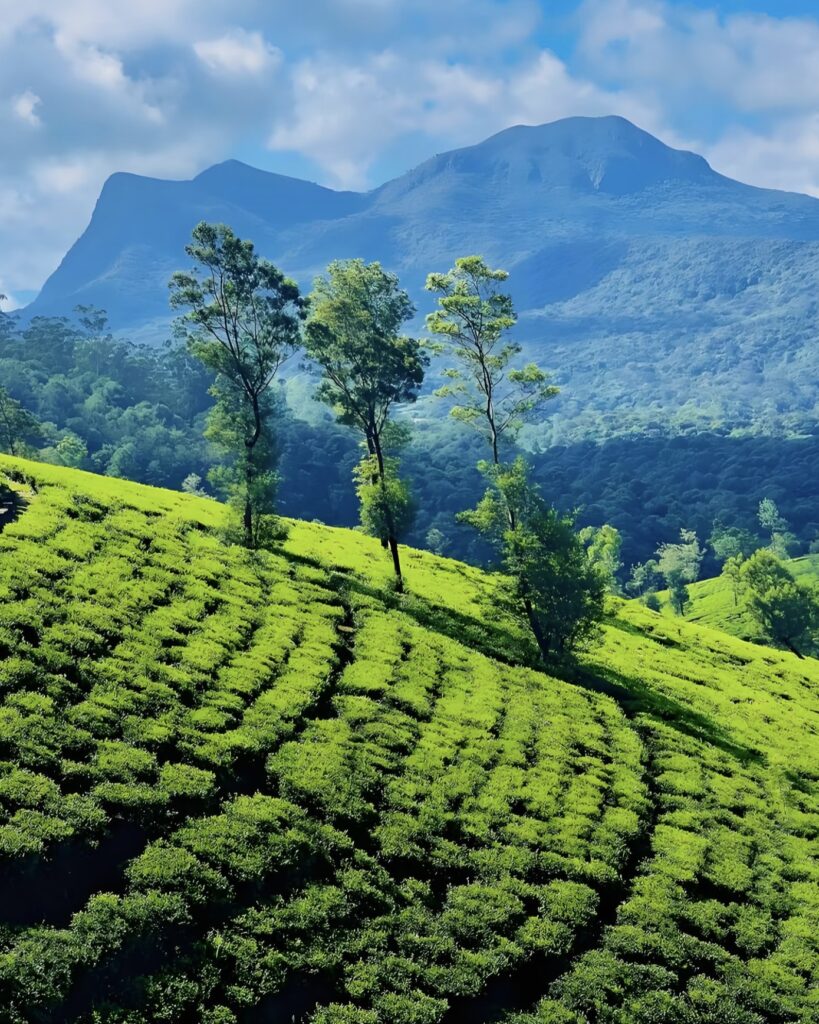
Just like wine, where your tea grows changes everything about its flavor.
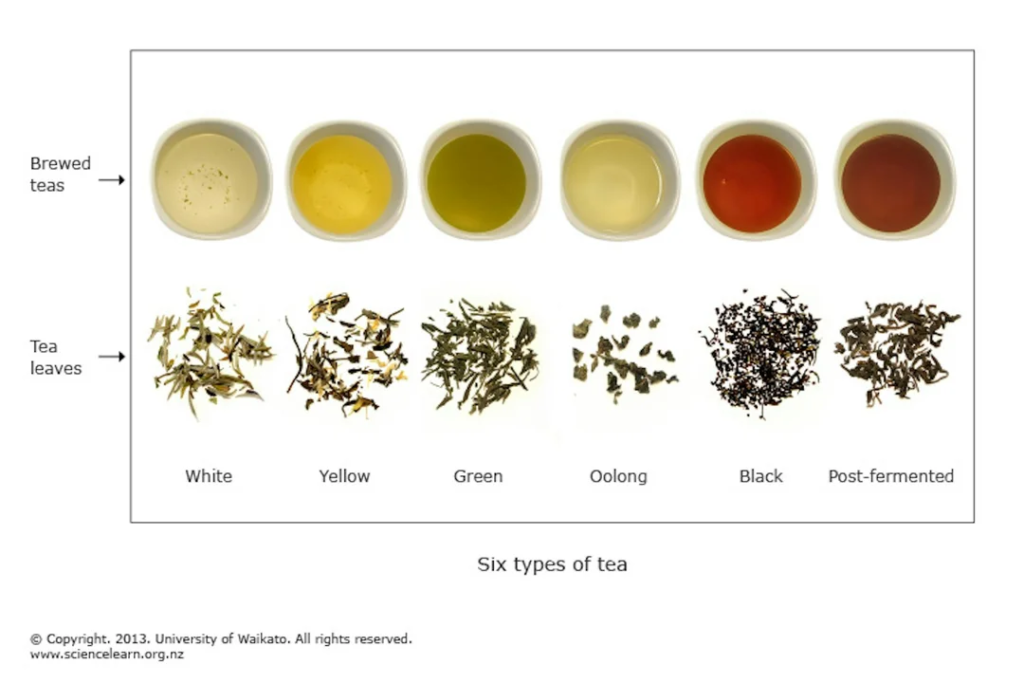
All true teas come from the same plant : Camellia sinensis. The difference lies in how the leaves are processed and oxidized after picking. From the freshest green teas to the richest black teas, each step in the craft transforms flavor, color, and aroma.
The Tea Family Tree: Types of tea made simple
| Tea Type | Fermentation Level | Flavor Profile | Liquor Color | Main Origins |
|---|---|---|---|---|
| Green Tea | Non-fermented (0%) | Fresh, Grassy, Light | Pale green-yellow | China, Japan |
| White Tea | Slightly fermented (~10%) | Delicate, Sweet, Floral | Pale yellow | China (Fujian) |
| Yellow Tea | Light fermentation (~20%) | Mellow, Smooth | Yellow-gold | China |
| Oolong Tea | Semi-fermented (30–70%) | Complex, Fruity, Floral | Golden to amber | China, Taiwan |
| Black Tea | Fully fermented (80–100%) | Bold, Malty, Rich | Deep amber to red | China, India, Sri Lanka |
| Dark Tea (Pu-erh) | Post-fermented (aged) | Earthy, Woody, Smooth | Dark reddish-brown | China (Yunnan) |
Nature's Hand in Every sip: How environment shapes flavor
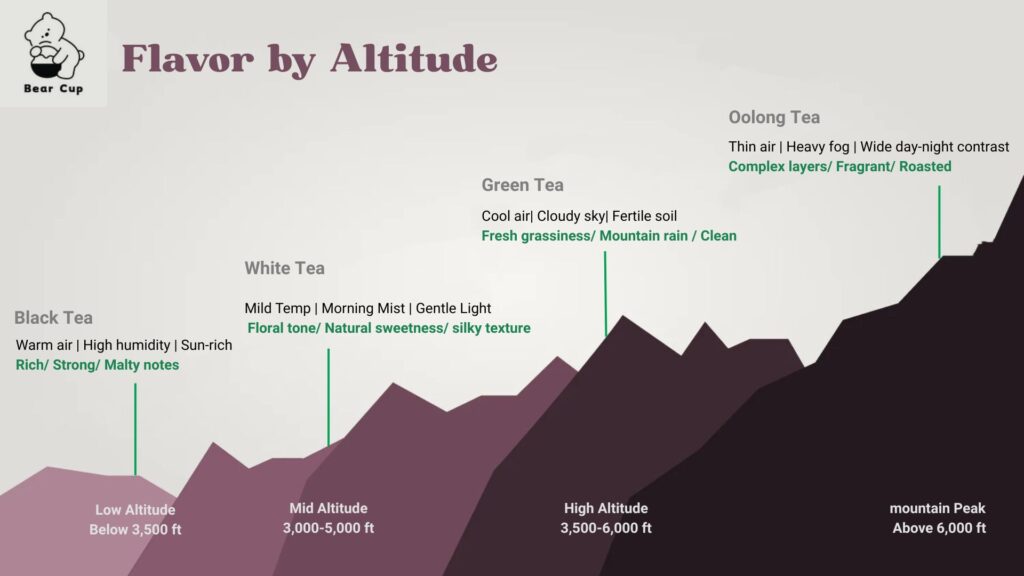
High altitude = slower growth = sweeter, cleaner tea.
Humid tropical climates = stronger, fuller-bodied tea.
Shade-grown leaves (like matcha) develop rich umami.
Morning vs. afternoon harvest also changes flavor intensity.
Rain, sunlight, and soil minerals all leave “fingerprints” on taste.
Timing is everything: Harvest & Season
In tea, the best season isn’t about temperature—it’s about timing.
Spring teas: most fragrant and tender (first flush).
Summer teas: stronger, brisker taste.
Autumn teas: mellow, balanced aroma.
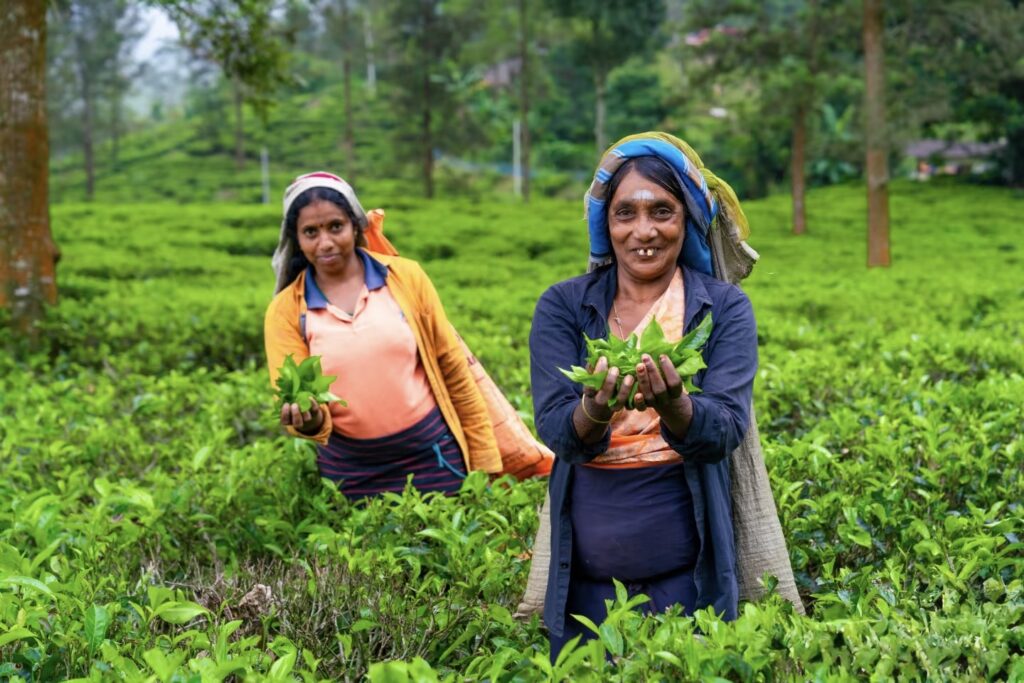
Hand-picked leaves are usually higher quality than machine-harvested ones.
Each picking season gives the tea a distinct personality.
how to tell good tea from bad?
Look: whole, unbroken leaves = higher quality.
Smell: natural, clean fragrance—not artificial or overly perfumed.
Taste: balanced bitterness and sweetness; pleasant aftertaste (called hui gan).
Brew test: good tea stays flavorful through multiple infusions.
Avoid: overly bright color, synthetic aroma, or sticky residue.
A Gentle Guide to Understanding and Enjoying the World of Tea
One Tree Endless Flavors Camellia Sinensis
Just like wine, where your tea grows changes everything about its flavor.
All true teas come from the same plant : Camellia sinensis. The difference lies in how the leaves are processed and oxidized after picking. From the freshest green teas to the richest black teas, each step in the craft transforms flavor, color, and aroma.
The Tea Family Tree: Types of tea made simple
| Tea Type | Fermentation Level | Flavor Profile | Liquor Color | Main Origins |
|---|---|---|---|---|
| Green Tea | Non-fermented (0%) | Fresh, Grassy, Light | Pale green-yellow | China, Japan |
| White Tea | Slightly fermented (~10%) | Delicate, Sweet, Floral | Pale yellow | China (Fujian) |
| Yellow Tea | Light fermentation (~20%) | Mellow, Smooth | Yellow-gold | China |
| Oolong Tea | Semi-fermented (30–70%) | Complex, Fruity, Floral | Golden to amber | China, Taiwan |
| Black Tea | Fully fermented (80–100%) | Bold, Malty, Rich | Deep amber to red | China, India, Sri Lanka |
| Dark Tea (Pu-erh) | Post-fermented (aged) | Earthy, Woody, Smooth | Dark reddish-brown | China (Yunnan) |
Nature's Hand in Every sip: How environment shapes flavor
High altitude = slower growth = sweeter, cleaner tea.
Humid tropical climates = stronger, fuller-bodied tea.
Shade-grown leaves (like matcha) develop rich umami.
Morning vs. afternoon harvest also changes flavor intensity.
Rain, sunlight, and soil minerals all leave “fingerprints” on taste.
Timing is everything: Harvest & Season
In tea, the best season isn’t about temperature—it’s about timing.
Spring teas: most fragrant and tender (first flush).
Summer teas: stronger, brisker taste.
Autumn teas: mellow, balanced aroma.
Hand-picked leaves are usually higher quality than machine-harvested ones.
Each picking season gives the tea a distinct personality.
Become a professional tea taster:
how to tell good tea from bad?
Look: whole, unbroken leaves = higher quality.
Smell: natural, clean fragrance—not artificial or overly perfumed.
Taste: balanced bitterness and sweetness; pleasant aftertaste (called hui gan).
Brew test: good tea stays flavorful through multiple infusions.
Avoid: overly bright color, synthetic aroma, or sticky residue.